

What is Childhood Anxiety?
Childhood anxiety disorder is a prevalent mental health condition affecting children across different ages and backgrounds. While occasional fears are normal, excessive childhood anxiety can severely disrupt daily activities, academic performance, and social interactions.
Understanding the causes, symptoms, and treatment options for childhood anxiety is essential for parents, caregivers, and educators to support children's emotional resilience.
Causes of Child Anxiety
Childhood anxiety develops due to a combination of genetic predisposition, environmental influences, and psychological factors. Key causes of childhood anxiety include:
Genetic Predisposition
Children with a family history of anxiety or mental health disorders are more likely to develop childhood anxiety.
Brain Chemistry
Imbalances in neurotransmitters such as serotonin and dopamine contribute to childhood anxiety symptoms.
Trauma and Stress
Experiences like parental divorce, bullying, or loss of a loved one often trigger anxiety in children.
Parental Influence
Overprotective or anxious parenting styles can unintentionally increase anxiety in children.
Academic Pressure
Fear of failure and social challenges at school contribute significantly to childhood anxiety.
Separation Anxiety
While normal in toddlers, prolonged fear of caregiver separation may develop into separation anxiety disorder.
Environmental Factors
Exposure to family conflict, unsafe surroundings, or distressing news increases risk of childhood anxiety.
Common Symptoms of Childhood Anxiety Disorder
Children with anxiety exhibit a combination of physical, emotional, and behavioral symptoms.
- Stomachaches, headaches, or nausea
- Rapid heartbeat and shortness of breath
- Sweating or trembling
- Restlessness and fatigue
- Difficulty sleeping or frequent nightmares

Effective Strategies for Managing Childhood Anxiety
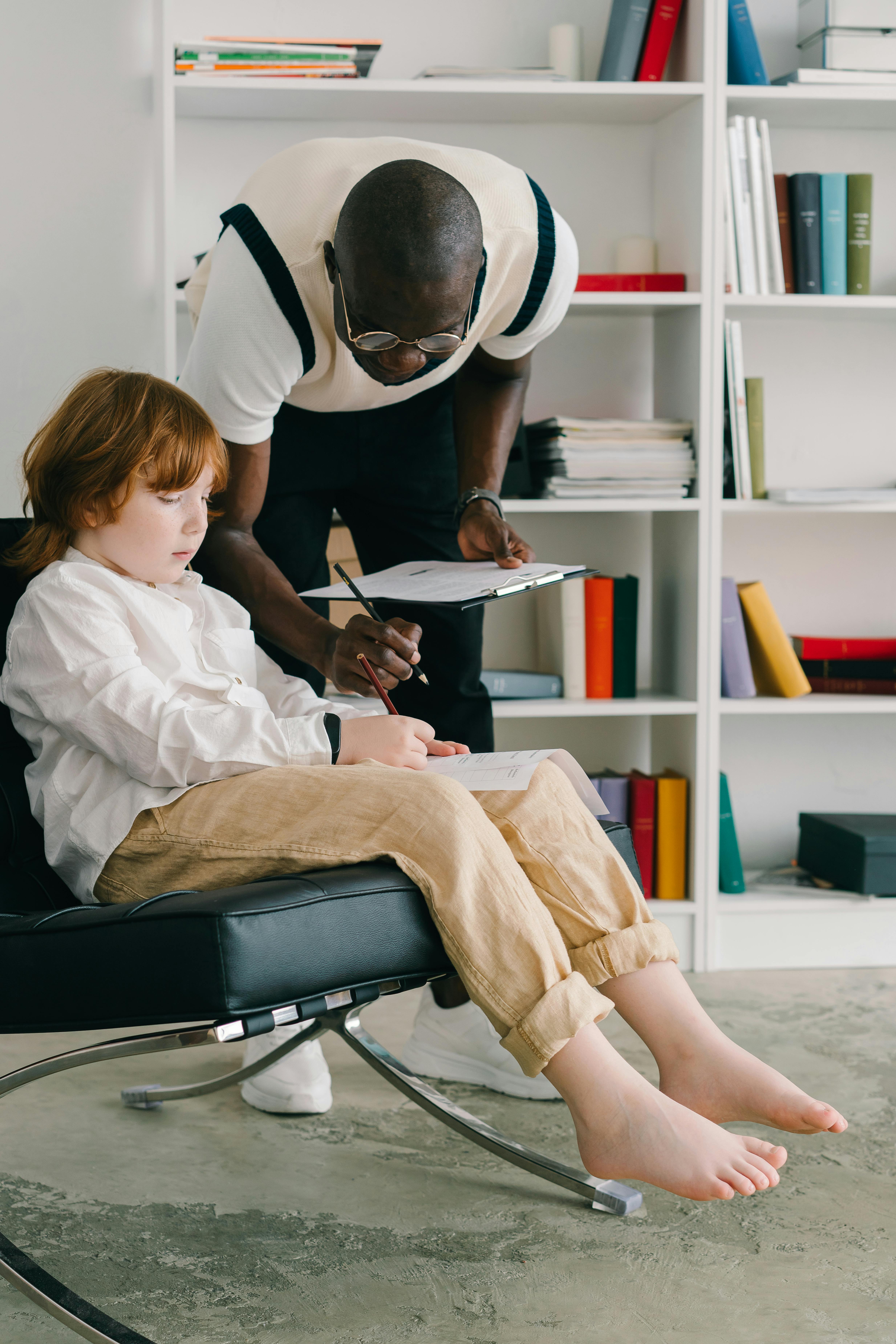
Managing childhood anxiety requires a collaborative approach involving parents, educators, and mental health professionals.
Open Communication
Creating a safe space for children to express fears helps them feel supported and understood.

Relaxation Techniques
Teaching deep breathing, mindfulness, and guided imagery helps children reduce anxiety.

Establishing Routines
Consistent daily schedules provide stability and reduce anxiety in children.

Coping Skills
Teaching problem-solving and emotional regulation empowers children to handle anxiety.

Gradual Exposure
Slowly introducing feared situations reduces avoidance and builds confidence.

Healthy Habits
Balanced nutrition, physical activity, and adequate sleep support emotional wellbeing.

Limiting Screen Time
Reducing exposure to distressing news and social media decreases anxiety triggers.

Positive Reinforcement
Encouraging children’s efforts boosts motivation to develop coping skills.

Modeling Calm Behavior
Caregivers managing their own stress set positive examples for anxious children.

Professional Help
Consulting a child psychologist is essential when anxiety severely disrupts daily life.

Cognitive‑Behavioral Therapy (CBT)
CBT helps children change negative thinking patterns and develop effective coping strategies.

Medication
In severe cases, doctors may prescribe medication alongside therapy to manage childhood anxiety symptoms.
Conclusion
Childhood anxiety disorder can significantly impact a child’s emotional and psychological development if untreated. By recognizing its causes and symptoms early, parents, educators, and caregivers can implement effective strategies and professional treatments to help children overcome anxiety. With consistent support and appropriate interventions, children can build resilience, confidence, and healthy coping skills that improve their quality of life and future wellbeing.