
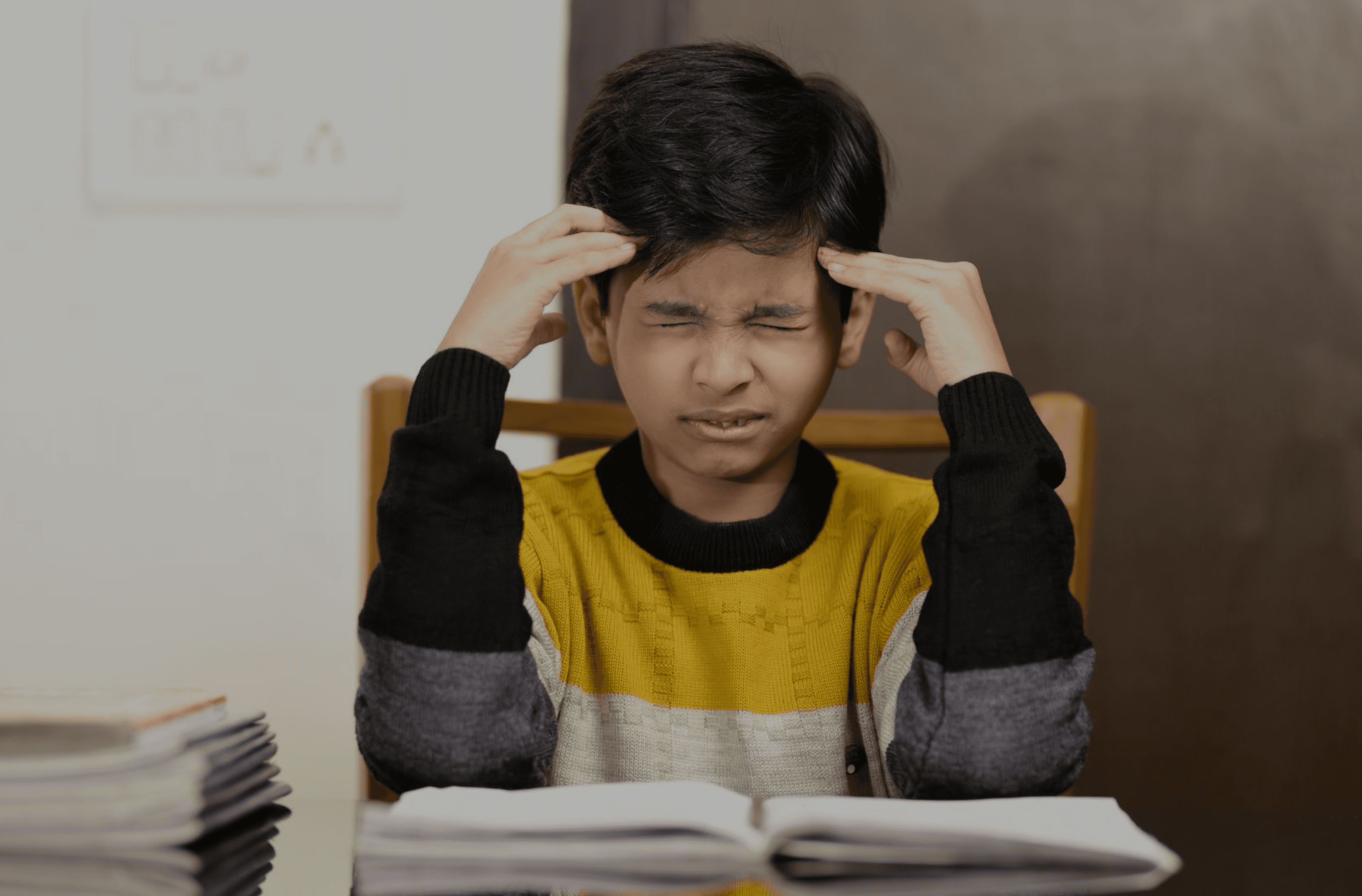
What Is Childhood Stress?
Stress in children is a growing concern that affects emotional, cognitive, and social development. It occurs when children feel overwhelmed by demands or situations they cannot fully understand or control.
Unlike adults, children may lack the emotional tools to recognize and articulate their stress, leading to behavioral changes, academic struggles, or physical symptoms. Early identification and support are critical to fostering resilience and healthy coping skills.
Causes of Stress in Children
Childhood stress is triggered by a mix of personal, social, and environmental factors.
Emotional and Psychological Factors
Low emotional awareness, self-criticism, unrealistic expectations, and limited problem-solving skills can heighten stress responses.
Family and Environmental Factors
Family conflict, parental separation, academic pressure, bullying, and exposure to traumatic news can overwhelm a child’s coping ability.
Social and Peer Influences
Friendship conflicts, peer rejection, social media pressure, and performance competition contribute to childhood stress and anxiety.
Symptoms of Stress in Children
Stress in children can appear through emotional, cognitive, physical, and behavioral changes.
- Irritability, frustration, or frequent mood swings
- Persistent worry, fear, or anxiety
- Low self-esteem or excessive self-doubt

Solutions for Managing Stress in Children
Managing childhood stress involves emotional support, positive lifestyle habits, and a nurturing environment.

Physical Resilience
Regular physical activity, balanced nutrition, and consistent sleep routines support physical and emotional well-being.

Emotional and Psychological Support
Encouraging open communication, teaching problem-solving skills, introducing mindfulness, and promoting realistic thinking help children process emotions.

Environmental and Parental Involvement
Maintaining a calm, predictable home environment, setting healthy routines, reducing unnecessary pressures, and modeling healthy coping behaviors provide stability.

Complementary Interventions
Art therapy, storytelling, guided imagery, and peer support groups allow children to express emotions and develop coping skills in a safe space.