
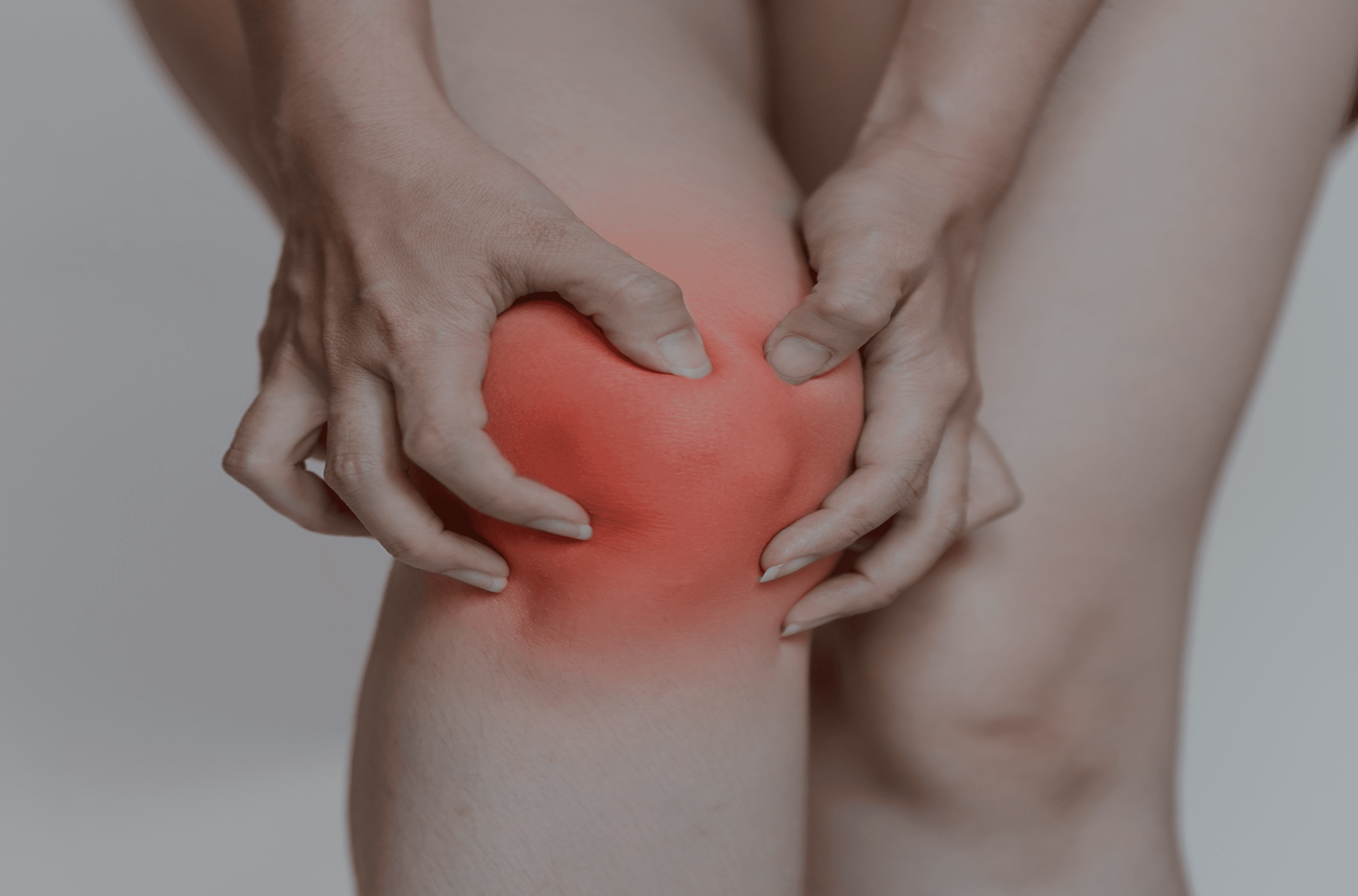
Chronic Pain-Related
Chronic pain-related disorders are conditions characterized by pain lasting longer than three months, persisting beyond the usual healing period. This persistent pain can interfere with movement, sleep, work, daily activities, and emotional well-being.
Common diagnoses include conditions such as fibromyalgia, chronic back pain, arthritis, and neuropathic pain. Managing these disorders usually requires a holistic approach that addresses physical symptoms and psychological distress to achieve long-term relief and improve quality of life.
Causes of Chronic Pain Related Disorders
Chronic pain-related disorders can be influenced by a mix of biological, psychological, and environmental factors. Some of the key contributors include:
Genetic and Biological Factors
Nerve damage, inflammation, genetic predisposition, and nervous system hypersensitivity can amplify pain signals, causing persistent discomfort even when no clear physical injury is present.
Psychological and Emotional Factors
Psychological factors like chronic stress, low mood, and past trauma, along with environmental factors such as lack of social support and sedentary lifestyle, contribute to increased pain intensity and hinder recovery without targeted intervention.
Symptoms of Chronic Pain Related Disorders
These disorders affect both body and mind, producing long-lasting physical discomfort and psychosocial strain.
- Low mood, frustration, or irritability
- Heightened anxiety about the pain
- Emotional exhaustion or withdrawal
- Loss of interest in pleasurable activities

Solutions for Managing Chronic Pain Related Disorders
Effective care blends medication, psychological therapy, physical rehabilitation, and lifestyle changes tailored to individual needs.

Pharmacological Treatments
Non-opioid analgesics, antidepressants, anticonvulsants, and muscle relaxants are commonly used to reduce pain, improve sleep, and regulate nerve signals, while minimizing opioid use.

Psychotherapeutic Interventions
Cognitive Behavioral Therapy (CBT), Acceptance and Commitment Therapy (ACT), Mindfulness-Based Stress Reduction (MBSR), and biofeedback help individuals reframe pain-related thoughts, manage emotional distress, and build resilience against chronic pain.

Lifestyle and Alternative Therapies
Physiotherapy, acupuncture, chiropractic spinal adjustments, anti-inflammatory diets, and mind-body practices like yoga or tai chi can improve strength, reduce pain, and restore mobility.

Complementary Interventions
Multidisciplinary pain programs, peer support, home-based routines, and regular follow-ups help maintain functional gains and reduce psychological burden over time.