

What Are Impulsivity and Aggression?
Impulsivity and aggression are disruptive behavioral traits that can impair judgment, relationships, and daily functioning. Impulsivity involves acting without forethought, while aggression refers to hostile verbal, physical, or emotional outbursts.
These behaviors often occur together and are associated with mood disorders, personality disorders, ADHD, and substance use disorders. Early recognition and targeted interventions can significantly improve self-regulation and social integration.
Causes of Impulsivity and Aggression
These traits emerge from a combination of neurobiological vulnerability, emotional dysregulation, and environmental exposure.
Genetic and Biological Influences
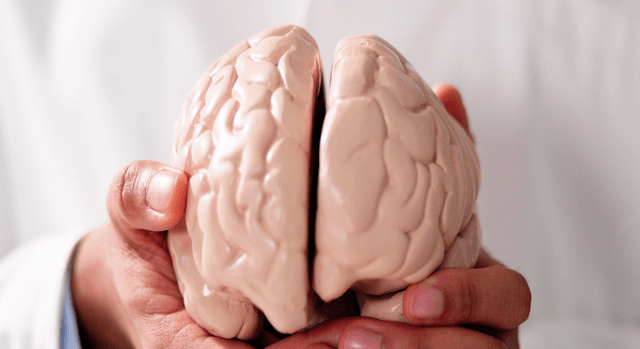
Genetic predisposition, neurotransmitter imbalances (serotonin, dopamine), and dysfunction in brain regions like the prefrontal cortex and amygdala affect emotion regulation and impulse control.
Psychological and Emotional Factors
Low frustration tolerance, mood instability, executive dysfunction, and coexisting disorders like ADHD or borderline personality disorder increase the risk of impulsive and aggressive behaviors.
Environmental and Social Contributors
Early trauma, exposure to violence, inconsistent parenting, and substance use can intensify emotional reactivity and reduce the ability to regulate behavior.
Symptoms of Impulsivity and Aggression
Impulsivity and aggression manifest through emotional, behavioral, and cognitive disruptions that may vary by age and context.
- Acting without considering consequences
- Difficulty delaying gratification
- Risk-taking in finances, sex, or driving
- Poor decision-making under emotional stress

Solutions for Managing Impulsivity and Aggression
Treatment requires a blend of behavioral therapy, medication, and structured interventions across settings.
Psychotherapeutic Approaches
CBT restructures impulsive thinking patterns, DBT builds emotional regulation, and anger management teaches control over triggers and reactive behaviors.

Pharmacological Support
Mood stabilizers, antipsychotics, SSRIs, and beta-blockers may be used to reduce emotional volatility and physical symptoms of aggression.

Integrated Behavioral Programs
Behavioral programs in schools, structured communities, substance abuse rehab, and social skills training enhance emotional control and improve interpersonal functioning.

Complementary Interventions
Parent training, classroom-based self-monitoring, community violence prevention, and early behavioral assessments promote healthier emotional responses in high-risk individuals.