

What Are Mania and Bipolar Disorder?
Mania and Bipolar Disorder are serious mood disorders characterized by extreme shifts in mood, energy, and behavior. Bipolar Disorder involves alternating episodes of mania or hypomania and depression, each affecting judgment, functioning, and interpersonal relationships.
Mania often includes impulsivity, heightened self-esteem, and reduced need for sleep, while depressive episodes bring emotional withdrawal and fatigue. Early diagnosis and long-term treatment are essential for stabilizing symptoms and maintaining functional well-being.
Causes of Mania and Bipolar Disorder
These conditions result from a complex interaction of genetic predisposition, brain chemistry, and external stressors.
Genetic and Biological Influences
A family history of mood disorders, neurotransmitter imbalances, structural brain differences, and hormonal irregularities contribute to the instability seen in bipolar mood cycling.
Psychological and Emotional Factors
Unresolved trauma, chronic stress, impulsive temperament, and disrupted sleep cycles can trigger or worsen manic and depressive episodes.
Environmental and Social Contributors
Childhood adversity, substance misuse, and lack of social support may increase vulnerability and disrupt mood regulation over time.
Symptoms of Mania and Bipolar Disorder
Bipolar Disorder presents with alternating mood states that significantly impact cognition, emotion, and behavior.
- Excessive energy, restlessness, or euphoria
- Reduced need for sleep
- Racing thoughts and pressured speech
- Impulsivity and poor judgment
- Grandiosity or inflated self-image
- Risk-taking behaviors

Types of Bipolar Disorders:
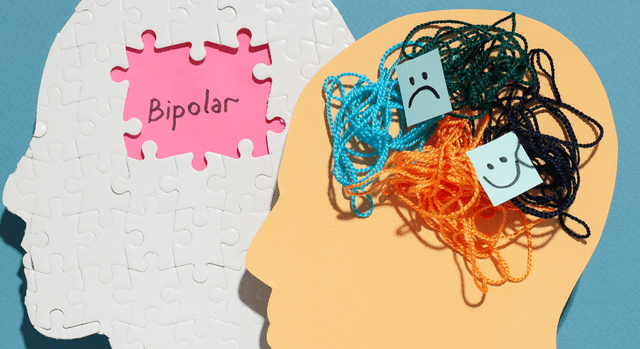
Bipolar I
At least one full manic episode, often with depressive episodes

Bipolar II
Hypomania with recurrent major depression

Cyclothymia
Ongoing mood fluctuations with milder symptoms
BP-NOS
Atypical patterns that don't meet full criteria but cause impairment
Solutions for Managing Bipolar Disorder
Long-term care combines medication, therapy, and psychosocial support to regulate mood and improve quality of life.

Psychotherapeutic Approaches
CBT targets distorted thinking and behavior cycles; IPSRT stabilizes routines and social interactions; psychoeducation empowers individuals and families; family therapy strengthens support networks.
Pharmacological Treatments
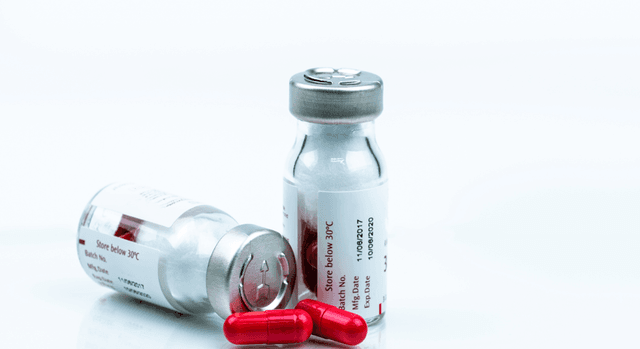
Mood stabilizers like lithium, atypical antipsychotics for manic phases, cautious antidepressant use, and short-term benzodiazepines for acute agitation help manage emotional highs and lows.

Integrated Behavioral Programs
Hospitalization for severe episodes, community mental health services, dual-diagnosis care for addiction, and vocational support assist with stability and reintegration.
Complementary Interventions
Early mood tracking, lifestyle regulation, school-based mental health education, and stigma reduction programs enhance coping, understanding, and prevention of relapses.