

What Are Personality Disorders?
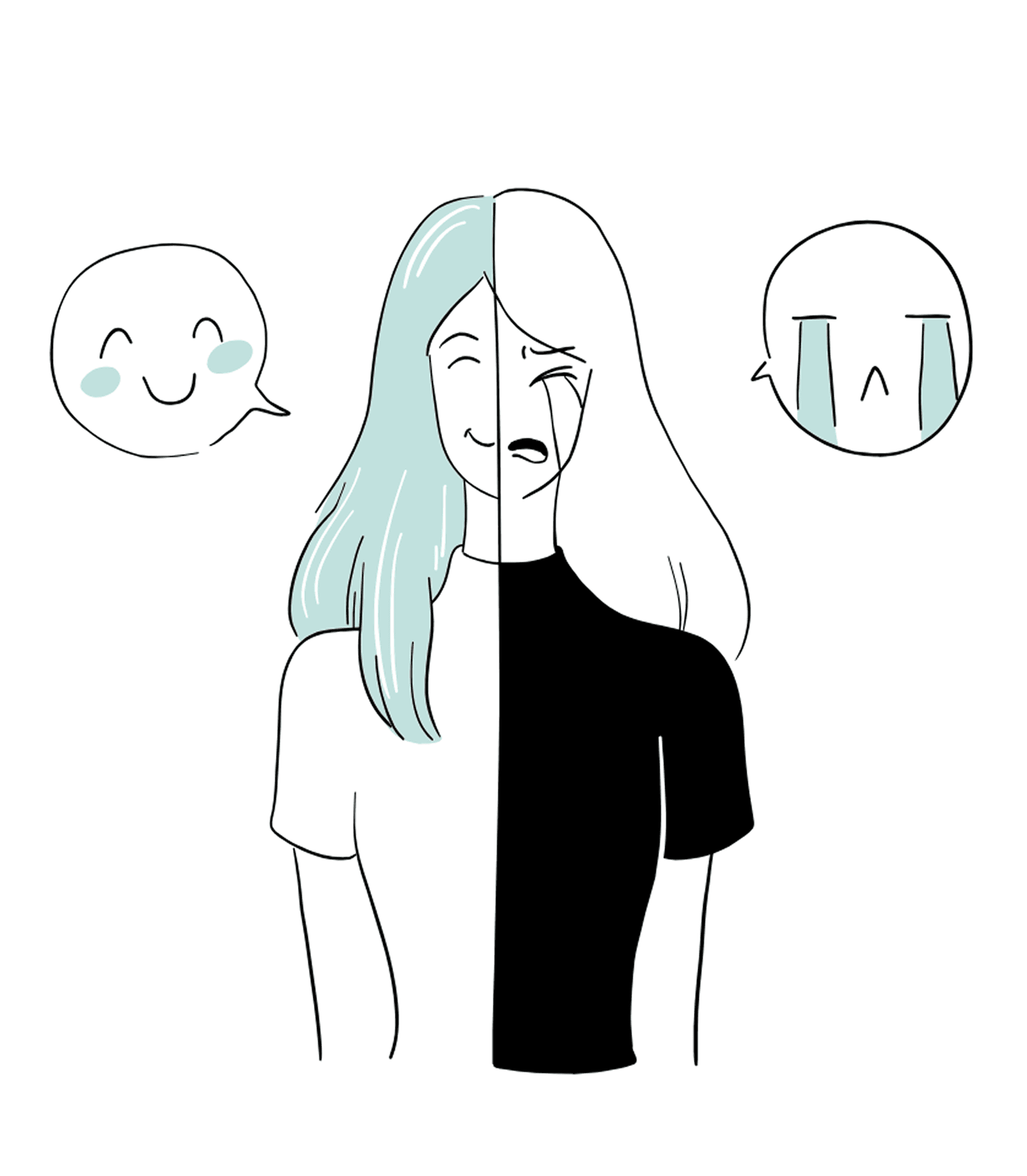
Personality disorders are long-standing mental health conditions characterized by rigid patterns of thinking, feeling, and behavior that deviate from cultural expectations. These patterns often impair relationships, emotional regulation, work performance, and personal identity.
Typically developing in adolescence or early adulthood, personality disorders are persistent and affect multiple areas of life. Effective treatment involves a blend of psychotherapy, medication, and structured support.
Causes of Personality Disorders
These disorders arise from genetic vulnerability, early experiences, and psychological development shaped by environmental stressors.
Biological and Genetic Factors
Family history, brain structure differences, and neurotransmitter imbalances involving serotonin or dopamine may predispose individuals to emotional instability, impulsivity, or distorted perceptions.
Psychosocial Influences
Negative thought patterns, social withdrawal, and coexisting disorders like anxiety, depression, or substance use often worsen emotional volatility and reinforce maladaptive coping styles.
Environmental and Social Factors
Childhood abuse, neglect, or instability—particularly in early attachment relationships—can lead to chronic emotional dysregulation and difficulty forming healthy interpersonal bonds.
Symptoms of Personality Disorders
Symptoms are persistent and interfere with emotional, social, and occupational functioning.
- Difficulty maintaining stable relationships
- Extreme emotional reactivity or impulsivity
- Unstable self-image or identity
- Persistent feelings of emptiness or alienation
- Rigid, inflexible ways of thinking and behaving
Types of Personality Disorders
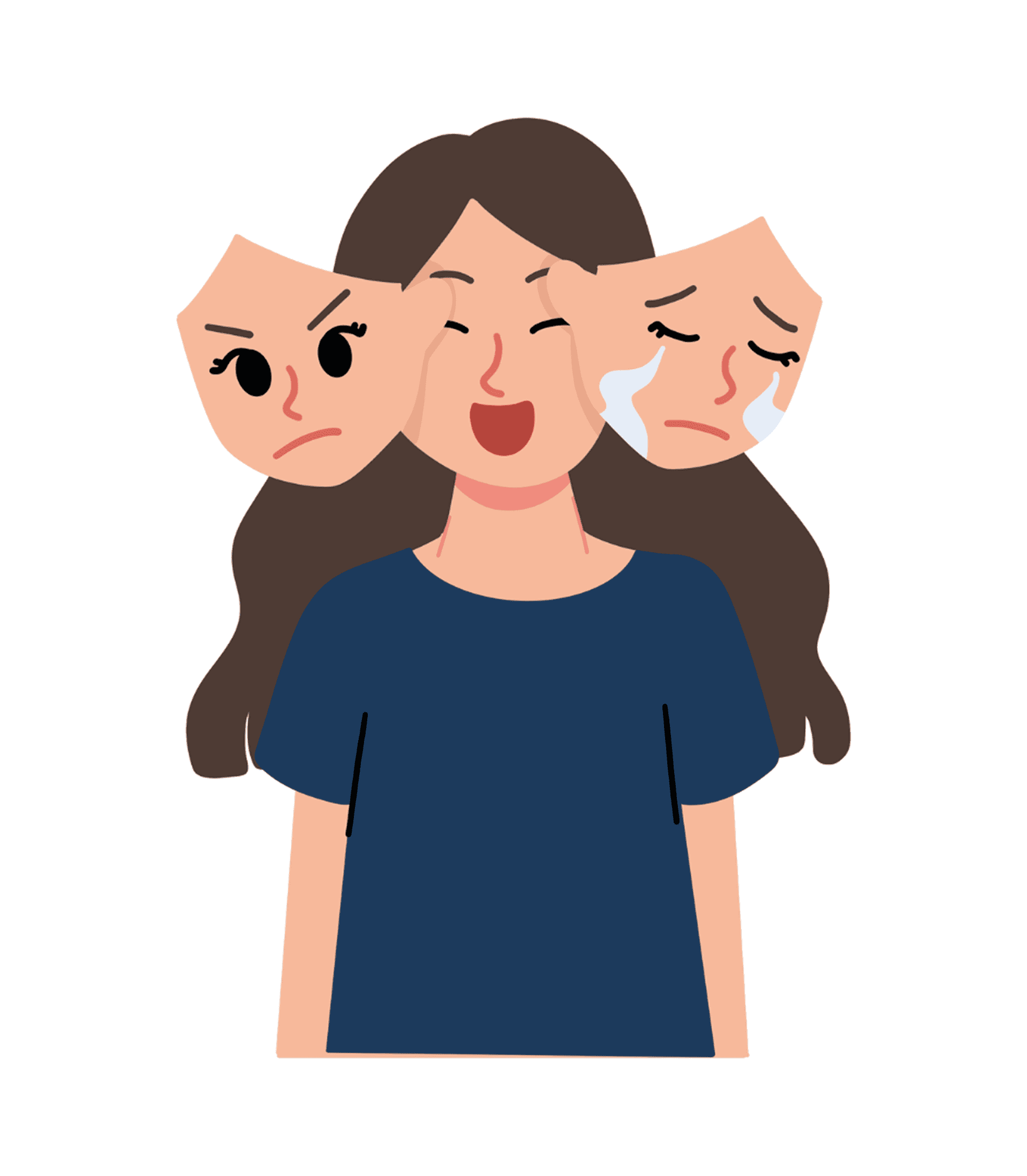
The DSM-5 classifies personality disorders into three clusters based on behavioral patterns:
- Paranoid Personality Disorder: Distrust and suspicion of others
- Schizoid Personality Disorder: Emotional detachment and preference for solitude
- Schizotypal Personality Disorder: Eccentric beliefs and social anxiety
Solutions for Managing Personality Disorders
Management requires individualized therapy, medications, and structured psychosocial rehabilitation.

Psychotherapeutic Approaches
CBT addresses harmful thought patterns; DBT improves emotion regulation; MBT enhances self-awareness; schema therapy restructures core beliefs; psychodynamic therapy explores developmental origins.

Pharmacological Treatments
Mood stabilizers help with emotional reactivity; SSRIs address coexisting anxiety or depression; antipsychotics may be used for severe mood or perceptual disturbances.

Integrated Programs
Therapeutic communities, vocational training, substance abuse treatment, and anger management programs support long-term stabilization and reintegration.

Complementary Interventions
Early screening, school-based emotional wellness programs, caregiver education, and public awareness reduce chronicity and improve long-term outcomes.