
Relationship
Communication
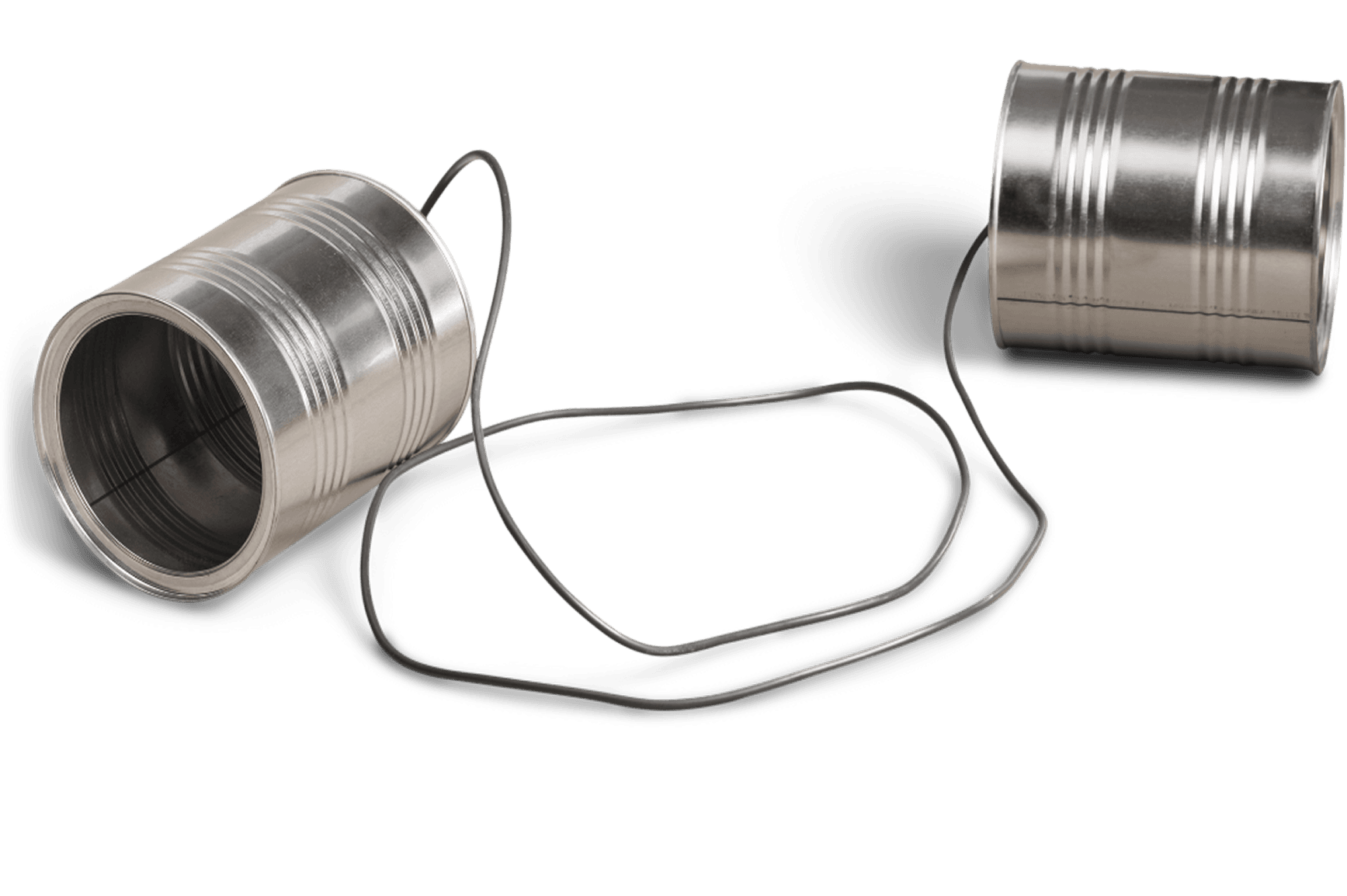
Relationship communication refers to the process of conveying thoughts, feelings, needs, and desires between partners in a romantic relationship. It's more than just sharing information—it's about deepening understanding and fostering closeness. Healthy communication is characterized by clear, open, and honest expression, and active listening. It forms the foundation of a strong relationship by helping build trust and emotional intimacy.
The success of communication relies not only on sending the message but also on its proper interpretation by the recipient. In intimate relationships, communication is crucial because it operates within a framework of trust and vulnerability. Partners rely on each other for emotional support and often share their deepest fears, desires, and dreams. Making communication an essential element for connection.
Why Is Communication So Important?
Communication serves as the bridge between two partners. Some of the most important reasons are:
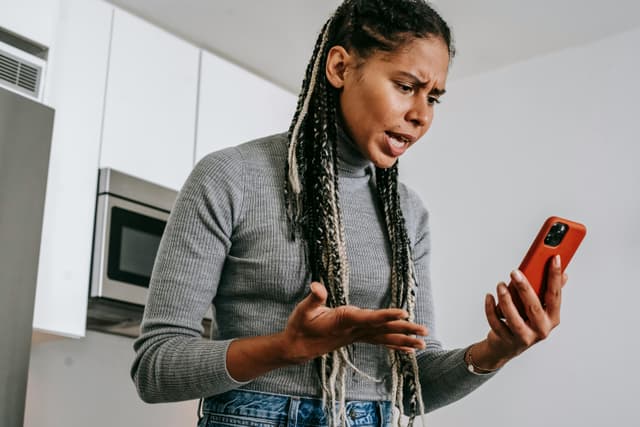
Effective communication is vital for maintaining a healthy relationship. Research shows that couples who communicate well are more likely to sustain strong, lasting bonds. Miscommunication or poor communication, on the other hand, can erode trust and contribute to emotional distress, leading to dissatisfaction in the relationship. As the social exchange theory suggests, negative communication tends to increase stress and diminish relationship satisfaction, while positive communication can help resolve conflicts and promote relationship well-being.
In relationships, conflicts are inevitable. Differences in goals, desires, and preferences—such as unmet expectations, intimacy issues, financial disagreements, or challenges around family responsibilities—can create tension. Unresolved conflicts can breed stress and put even the healthiest relationships at risk. Learning how to communicate effectively during such disagreements is crucial for the long-term health of a relationship.
How Do Couples Communicate?
Communication patterns vary from couple to couple, but typically involve both verbal and non-verbal elements. Healthy communication means:
Active Listening
Paying full attention to your partner, acknowledging their feelings, and responding thoughtfully.

Expressing Needs
Clearly articulating what you want and need from your partner in a respectful way.

Non-verbal Cues
Understanding body language, facial expressions, and tone which often convey more than words.

Conflict Resolution
Addressing disagreements constructively rather than avoiding them or escalating into arguments.
What Communication Helps Resolve Conflict?

Effective communication helps couples address the core issues in a relationship. Direct collaboration is particularly effective because it encourages both partners to discuss the issue openly, work toward understanding each other, and find a solution that benefits both. Although direct opposition can sometimes uncover issues, it tends to backfire when emotions dominate over logic, making it harder to reach a resolution.
Indirect communication, while softer, often lacks the depth needed to resolve conflict. Indirect opposition can manipulate emotions but may not lead to a genuine resolution, and indirect collaboration may mitigate the emotional fallout but may not fully address the problem at hand.
How Can Couples Communicate Effectively?
Effective communication involves both speaking and listening with empathy. Couples should express their feelings honestly while also being considerate of how their words will be received. Active listening—focusing fully on the other partner, validating their feelings, and responding thoughtfully—is key. Miscommunication often stems from partners being unclear about what they want or need, which makes it crucial to engage in honest and open dialogue.
Unhappy couples often struggle with the cause-and-effect relationship between their dissatisfaction and their communication patterns. Some couples may find themselves in negative communication cycles because of underlying relationship stress, while others may struggle to communicate effectively because of pre-existing issues. Being proactive in managing communication styles, balancing vulnerability and trust, and working together to resolve issues will help keep relationships strong and conflict resolution easier.

Communication Building Process by Dr. Shefali
To improve communication, couples can engage in therapy that focuses on teaching and reinforcing positive communication strategies. Dr. Shefali Batra, a psychiatrist and psychotherapist, outlines various techniques, including:
Listening Skills
Improving the ability to listen without judgment, helping both partners feel heard and understood
Assertiveness Training
Teaching couples how to express their needs directly and respectfully without being passive or aggressive
'I' Language
Encouraging partners to express their feelings from their own perspective (e.g., "I feel hurt when..." instead of "You always...")
Trust Building
Working on creating and maintaining trust within the relationship, which fosters openness and vulnerability
Anger Processing
Learning to manage and express anger in healthy ways without causing harm to the relationship
External Factors
Understanding how external stressors impact communication and developing strategies to manage them together
Couples can also record and analyze their communication interactions to identify faulty styles and reinforce productive behaviors. Over time, this can lead to more mature and effective communication, which strengthens the relationship and enhances emotional connection.